# How Food Packaging Can Support a Consistent Brand Image
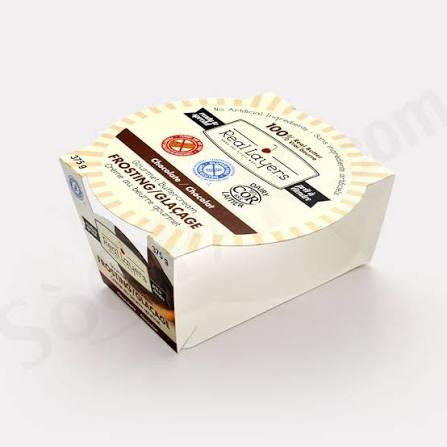
A food brand is not only remembered for its taste. Customers also notice how their food looks when it arrives. The box, wrap, bag, and label can all shape the way people see a business. Simple details, such as [food container sleeves](https://elixirpackaging.com/food-packaging-sleeves/), can make an order look neat and connected to the brand.
Good packaging can help a food business create a clear and familiar image. When colors, designs, materials, and messages stay consistent, customers can recognize the brand more easily. This is useful for restaurants, cafés, bakeries, food trucks, and other food businesses.
## Use the Same Brand Colors
Colors are one of the easiest ways to create a consistent brand image. A business may have two or three main colors that appear on its menu, website, signs, and packaging.
Using the same colors on food packaging can make orders look more connected to the business. For example, a café with a simple black and white design can use the same style on its cups, bags, and food boxes.
There is no need to use many colors. A simple color scheme often looks cleaner and easier to remember.
## Keep the Logo Easy to See
A logo gives customers a quick way to identify a business. It does not need to be large or placed everywhere. The goal is to make it easy to notice without making the packaging look crowded.
A logo can appear on boxes, bags, cups, wrappers, and stickers. Keeping its size and position fairly consistent can also make the brand look more organized.
Businesses should also make sure the logo is clear when printed. Small details can become hard to see if the design is too complex.
## Choose a Consistent Design Style
Packaging should have a similar look across different products. A restaurant may use different sizes of boxes, but the overall design can remain the same.
The same fonts, colors, logo style, and visual elements can be used across different packaging items. This creates a stronger connection between products.
For example, a bakery selling cakes, cookies, and sandwiches can use different package sizes while keeping the same basic design. Customers can then recognize the bakery even when they receive a different product.
## Think About the Customer Experience
Packaging is part of the eating experience. Customers interact with it before they taste the food. If a package is messy, difficult to open, or poorly designed, it can affect their overall impression.
A good package should be easy to carry and open. It should also keep the food secure during delivery or transport.
Small details can make a difference. A secure lid, clean printing, useful labels, and practical handles can all make an order easier to use.
## Make Safety a Priority
A strong brand image should also be supported by safe packaging. Customers expect food packaging to protect their meals from dirt, damage, and unwanted contact.
Food businesses should select packaging that is suitable for the type of food being served. Hot, cold, greasy, or wet foods may need different packaging materials.
Printing and materials should also be suitable for food packaging. Businesses should follow relevant food safety requirements and use trusted materials for their products.
Safety may not always be the first thing customers notice, but it is an important part of building trust.
## Match Packaging With the Brand's Personality
Every food business has its own personality. A family restaurant may want a warm [and](https://hackmd.openmole.org/) friendly look, while a modern café may prefer a simple and clean design.
Packaging should support that personality. The design, wording, images, and materials can all help create the right feeling.
A business does not need an expensive design to look professional. What matters more is that the packaging feels connected to the business and its customers.
## Avoid Too Much Information
It can be tempting to place every detail on a package. However, too much text or too many graphics can make packaging difficult to read.
A better approach is to focus on the most useful information. This may include the logo, business name, product information, website, social media details, or simple brand message.
Clear packaging is easier for customers to understand. It can also make the product look more organized and professional.
## Consider Different Ordering Channels
Many food businesses now serve customers in different ways. People may eat at the restaurant, order for pickup, or receive food through delivery.
The packaging should still feel like it comes from the same business across these channels. A customer who orders online should receive an experience that matches what they see in the restaurant or on the business website.
Keeping packaging consistent can help connect these different customer experiences.
## Update Packaging Carefully
Brands can change their packaging over time. New products, new locations, or changes in the business may require an updated design.
However, large changes should be planned carefully. If the logo, colors, and overall style change too often, customers may have trouble recognizing the brand.
Small improvements can sometimes be enough. A business might improve the material, adjust the layout, or make labels easier to read while keeping the main brand identity unchanged.
## Conclusion
Food packaging can play an important role in creating a consistent brand image. From colors and logos to safety and customer convenience, each detail can shape how people experience a food business. A clear and practical design can make different products feel connected while helping customers recognize the brand. For businesses that need different sizes and styles, [custom boxes for packaging](https://elixirpackaging.com/) can also help maintain a consistent look across a wider range of food products.