# Why Consult Best Doctors For Laser Eye Surgery in Lahore for Vision 2027
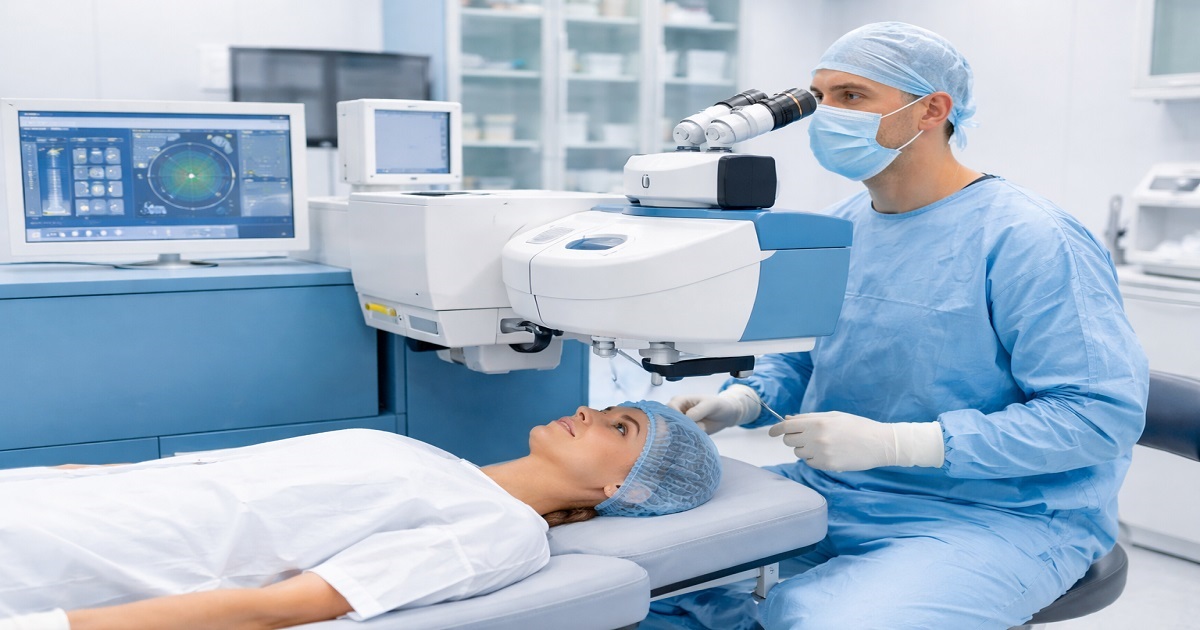
Clear vision plays an important role in work, education, travel, communication, and everyday activities. For people considering laser vision correction, choosing qualified professionals is an important part of the process. Consulting the **Best Doctors For Laser Eye Surgery in Lahore** can help patients understand whether laser eye surgery is suitable for their individual vision needs, eye health, and lifestyle. A detailed consultation allows an eye specialist to assess the eyes and explain the available treatment options.
The ***[Best Doctors For Laser Eye Surgery in Lahore](https://www.zafarlasereyeclinic.com/services/best-optometrist-in-lahore/)*** focus on more than the procedure itself. They begin by evaluating the patient's prescription, corneal condition, tear film, general eye health, and expectations. This assessment can help determine whether a person may be suitable for procedures such as LASIK, Femto LASIK, PRK, or another form of refractive correction. Proper evaluation and personalized planning are essential for making an informed decision about vision correction in 2027.
## Understanding Laser Eye Surgery
Laser eye surgery refers to a group of procedures designed to correct certain refractive errors by changing the shape of the cornea. Refractive errors can cause blurred vision when the eye does not focus light properly on the retina. Common examples include myopia, hyperopia, and astigmatism.
Modern laser vision correction uses advanced diagnostic and surgical technologies to create a treatment plan based on the patient's individual eye measurements. However, not everyone is automatically a suitable candidate. A comprehensive examination is necessary before a doctor can recommend an appropriate procedure.
### Why Professional Assessment Matters
A professional assessment helps identify factors that could influence treatment. Corneal thickness, corneal shape, prescription stability, tear quality, previous eye conditions, and other aspects of ocular health may all be considered during an examination.
Rather than choosing a procedure simply because it is popular, patients can discuss their individual circumstances with an experienced eye doctor. This approach supports safer decision-making and helps establish realistic expectations about potential results and recovery.
## Personalized Vision Evaluation in Lahore
Every patient's eyes are different. Two people may have similar glasses prescriptions but different corneal measurements or eye-health considerations. This is why personalized assessment is an important part of laser vision correction.
During a consultation, the doctor may perform several diagnostic tests to understand the condition of the eyes. These tests can provide information about corneal structure, refractive error, eye pressure, tear production, and other relevant factors.
### Assessing Refractive Errors
The first stage of many vision correction consultations involves determining the patient's current prescription. Doctors assess whether the person has myopia, hyperopia, astigmatism, or a combination of refractive errors.
Prescription stability can also be relevant. If a prescription has changed significantly over a recent period, the doctor may recommend waiting until vision measurements become more stable before considering elective laser correction.
### Checking Corneal Health
The cornea is central to many laser vision correction procedures because the treatment changes its shape. Doctors therefore need accurate information about corneal thickness, curvature, and surface characteristics.
Modern diagnostic equipment can provide detailed measurements that assist doctors in evaluating whether a particular laser procedure may be appropriate. If the cornea does not meet the necessary criteria, an alternative approach may be discussed.
## Choosing the Right Laser Procedure
Laser eye surgery is not a single treatment. Different procedures use different techniques, and the most appropriate option depends on the patient's eyes and medical assessment.
### LASIK and Femto LASIK
LASIK is a widely recognized refractive procedure in which a corneal flap is created before laser reshaping is performed. Femto LASIK uses a femtosecond laser for flap creation rather than a traditional mechanical blade.
Whether either technique is appropriate depends on individual factors. Patients should discuss the potential benefits, limitations, recovery requirements, and risks with their eye doctor before making a decision.
### PRK and Other Options
PRK is another form of laser vision correction. Unlike LASIK, PRK does not create a conventional corneal flap. Instead, the surface layer of the cornea is removed or displaced before laser treatment, after which the surface heals naturally.
PRK can be considered for certain patients, including some people whose corneal characteristics or lifestyle make another procedure less suitable. A qualified ophthalmologist can determine which options deserve consideration after examining the eyes.
## The Importance of Advanced Diagnostic Technology
Technology has become an important part of modern refractive eye care. Detailed diagnostic systems can help doctors obtain accurate measurements before treatment and improve the personalization of surgical planning.
### Detailed Corneal Mapping
Corneal mapping can provide information about the shape and surface of the cornea. These measurements can be useful when assessing whether laser correction is appropriate and when planning treatment.
Detailed imaging can also help doctors identify certain corneal characteristics that may require additional evaluation. This makes diagnostic testing an important part of responsible laser eye surgery rather than simply a preliminary step.
### Measuring Eye Surface and Tear Quality
Dryness and tear-film problems may affect comfort and visual quality. Doctors may therefore assess the ocular surface before recommending laser treatment.
If a patient has significant dryness or another surface problem, the doctor may address that issue first. This demonstrates why consultation should take place before scheduling surgery.
## Discussing Expectations Before Treatment
Having realistic expectations is an essential part of any elective vision correction procedure. Laser eye surgery may reduce dependence on glasses or contact lenses for suitable patients, but individual outcomes can vary.
The doctor can explain what level of visual improvement may reasonably be expected based on the patient's prescription and eye characteristics. Patients should also understand that laser correction does not prevent every future eye condition and does not necessarily eliminate the need for glasses in every situation.
### Understanding Possible Limitations
Some patients may still require glasses for particular activities after treatment. For example, age-related changes in near vision can occur naturally and may affect people even if they previously had successful distance vision correction.
A detailed consultation gives patients an opportunity to discuss these possibilities before proceeding. Understanding the limitations of treatment can lead to more realistic expectations and better preparation.
## Preparing for Laser Eye Surgery
Preparation can contribute to a smoother treatment experience. Doctors usually provide specific instructions based on the planned procedure and the patient's circumstances.
Contact lens wearers may need to stop wearing lenses for a period before certain examinations because contact lenses can temporarily affect corneal shape. The required period can vary according to lens type, so patients should follow the instructions provided by their eye-care professional.
### Following Preoperative Instructions
Patients should provide their doctor with complete information about previous eye procedures, current medications, existing eye problems, allergies, and relevant medical history. Accurate information helps the doctor assess the patient's suitability and plan appropriate care.
Patients should also ask questions about the procedure, recovery period, medication use, follow-up visits, and activities that may need to be avoided temporarily.
## Recovery and Follow-Up Care
Recovery depends on the procedure performed and the individual's healing process. Some patients may experience temporary dryness, light sensitivity, fluctuating vision, or other short-term symptoms following laser treatment.
Doctors provide postoperative instructions designed to support healing. Following these instructions carefully is an important part of recovery.
### Importance of Follow-Up Appointments
Follow-up examinations allow the doctor to monitor healing and assess visual progress. These appointments provide an opportunity to identify concerns and address them promptly.
Patients should not judge the final outcome immediately after surgery because visual recovery can vary. The doctor can explain what changes are expected during the recovery period and when vision is likely to stabilize.
## Why Experience Matters in Laser Vision Correction
Experience is one factor patients may consider when selecting an eye surgeon. Laser vision correction requires careful patient selection, accurate measurements, appropriate treatment planning, and technical precision.
A doctor who routinely performs refractive procedures may be familiar with evaluating different patient profiles and managing various stages of treatment. However, patients should consider qualifications, relevant training, diagnostic facilities, communication, and individualized assessment rather than relying on a single factor.
### A Consultation Helps Build Confidence
A consultation is also an opportunity for patients to understand the treatment process. A good consultation should allow the patient to ask questions and receive understandable information about the procedure.
Patients can ask how their eyes will be evaluated, which procedure may be suitable, what recovery involves, and what limitations should be expected. Clear communication helps patients make decisions based on their own circumstances.
## Laser Eye Surgery in Lahore in 2027
Lahore has become an important location for advanced eye-care services, giving patients access to modern diagnostic and surgical facilities. As technology continues to develop, people considering refractive correction can discuss newer approaches with qualified eye-care professionals.
However, technological advancement does not replace clinical judgment. Sophisticated equipment is useful when combined with appropriate examination, experienced interpretation, careful patient selection, and proper follow-up care.
### Making an Informed Decision
Choosing laser eye surgery should be a personal healthcare decision based on professional evaluation. Online information can help patients understand general concepts, but it cannot replace a comprehensive eye examination.
The consultation should establish whether the patient's eyes are suitable for treatment and what procedure, if any, may be appropriate. Patients should feel comfortable discussing concerns and requesting clarification before consenting to treatment.
## What to Look for During a Consultation
When meeting a laser eye surgeon, patients can pay attention to how thoroughly their eyes are evaluated and how clearly the treatment is explained. A consultation should cover the patient's current prescription, eye health, suitability for treatment, expected recovery, potential risks, and follow-up requirements.
A comprehensive eye examination, advanced diagnostic testing, appropriate procedure selection, and careful follow-up all contribute to responsible refractive eye care. In 2027, patients considering laser vision correction can take an informed approach by discussing their goals and eye-health requirements with a qualified **[ophthalmologist](https://hackmd.openmole.org/)**. The right decision begins with understanding the condition of the eyes and receiving professional guidance tailored to individual needs.
## Frequently Asked Questions
### Is laser eye surgery suitable for everyone?
No. Suitability depends on factors such as eye health, prescription stability, corneal characteristics, age, and other individual considerations.
### How long does laser eye surgery take?
The procedure itself is generally relatively short, but the complete appointment includes preparation, testing, treatment, and postoperative instructions.
### Can laser eye surgery permanently remove glasses?
Laser vision correction can reduce dependence on glasses for suitable patients, but it cannot guarantee that glasses will never be needed again.
### What happens during the first consultation?
The doctor typically reviews the patient's vision history, performs detailed eye examinations, evaluates suitability, and discusses appropriate treatment options.
### Is follow-up care important after surgery?
Yes. Follow-up appointments allow the doctor to monitor healing, assess visual progress, and address any postoperative concerns.