# **How to Build an On-Demand Nutritionist App: Features, Steps, and Cost**
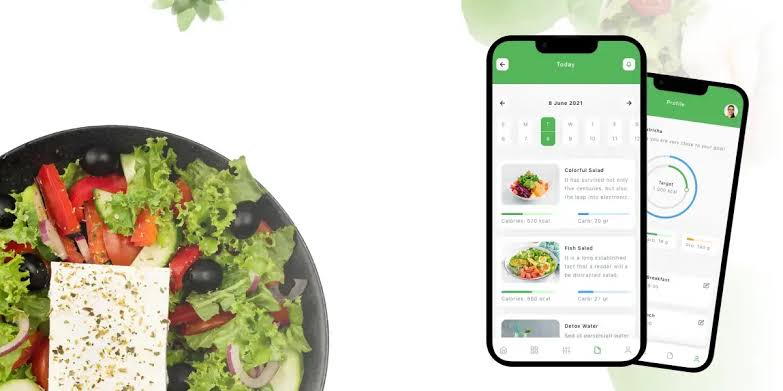
An [on-demand nutritionist app](https://www.eglobalindia.com/top-on-demand-nutritionist-app-development-companies/) connects users with qualified nutrition professionals through a convenient mobile platform. Users can search for nutritionists, book consultations, discuss dietary goals, receive personalized meal plans, and track their progress. For businesses, such an app can create a structured way to manage nutrition services, appointments, payments, and communication.
The on-demand nutritionist app development process requires careful planning because the platform needs to support different users and provide a smooth experience. A well-planned app can include consultation tools, nutrition tracking, secure payments, notifications, and professional dashboards.
Key Features of an On-Demand Nutritionist App
A nutritionist app should include features that support users, nutritionists, and administrators.
User Registration and Profiles: Users can create accounts, add personal details, set dietary preferences, and provide information required for nutrition consultations.
Nutritionist Search: Users can browse nutritionists based on specialization, experience, consultation charges, availability, and ratings.
Appointment Booking: A booking system allows users to select available dates and time slots. Nutritionists can manage their schedules and accept or update appointments.
Online Consultation: Video calls, audio calls, and chat can help users communicate with nutritionists without requiring an in-person visit.
Personalized Diet Plans: Nutritionists can create meal plans based on individual requirements, food preferences, goals, and consultation details.
Food and Nutrition Tracking: Users can record meals, water intake, calories, and other information to monitor their daily progress.
Push Notifications: Notifications can remind users about appointments, meal schedules, consultations, and updates from nutritionists.
Secure Payments: Payment integration allows users to pay consultation fees or subscribe to nutrition programs through supported payment methods.
Steps for On-Demand Nutritionist App Development
The development process generally starts with understanding the target audience and defining the app's purpose. Businesses should identify whether the platform will focus on consultations, diet planning, subscriptions, nutrition tracking, or a combination of these services.
The next step is feature planning. User, nutritionist, and admin features should be listed according to business requirements. A clear feature plan helps determine the required technology, development time, and overall budget.
UI/UX design comes next. The application should have simple navigation so users can easily search for nutritionists, book appointments, access meal plans, and communicate with professionals.
After the design is approved, developers build the application and connect the required backend services. APIs, databases, payment gateways, notification systems, and communication tools can be integrated based on the selected features.
Testing is another important part of development. The app should be checked for functionality, performance, security, compatibility, and usability before launch. After deployment, regular maintenance and updates can help address technical issues and introduce new features.
Technology for Nutritionist App Development
The technology stack depends on the required features and platforms. Native development can use Swift or Objective-C for iOS and Kotlin or Java for Android. Cross-platform frameworks such as Flutter or React Native can support development for multiple platforms.
Backend technologies may include Node.js, Python, PHP, Java, or other suitable frameworks. Cloud services can be used for hosting, databases, file storage, notifications, and application scalability.
For consultation features, businesses may integrate video and chat APIs. Payment gateways, analytics tools, maps, and notification services can also be added according to the application's requirements.
How Much Does On-Demand Nutritionist App Development Cost?
The cost of on-demand nutritionist app development depends on several factors rather than having one fixed price. The number of features, platforms, UI/UX complexity, backend requirements, third-party integrations, security requirements, and development team's location can all affect the budget.
A basic application with registration, profiles, search, booking, chat, and payments will generally require less development effort than a larger platform with video consultations, subscription plans, nutrition tracking, wearable integrations, AI-based recommendations, and advanced analytics.
Businesses should define the minimum required features first and then plan additional functions in later development phases. This approach can make budgeting and project management easier.
Ways to Monetize a Nutritionist App
An on-demand nutritionist app can use different revenue models. Businesses can charge a commission on completed consultations or allow nutritionists to pay subscription fees for using the platform.
Another option is to offer users paid nutrition programs, premium meal plans, monthly subscriptions, or additional consultation packages. The suitable model depends on the target audience, services offered, and business structure.
FAQs
1. How long does it take to develop an on-demand nutritionist app?
Development time depends on the number of features, platforms, integrations, design requirements, and testing needs. A basic app generally requires less time than a feature-rich platform.
2. What are the main features of a nutritionist app?
Common features include user profiles, nutritionist search, appointment booking, chat, video consultations, diet plans, nutrition tracking, payments, notifications, and admin management.
3. Can a nutritionist app support online consultations?
Yes. Video, audio, and chat functionality can be integrated to allow users and nutritionists to communicate remotely.
4. Can an on-demand nutritionist app include subscription plans?
Yes. Subscription functionality can support recurring nutrition programs, meal plans, consultations, and other premium services.
5. What affects the cost of nutritionist app development?
Features, platform selection, design complexity, backend architecture, integrations, security requirements, development resources, and maintenance can influence the total cost.
Conclusion
Building an on-demand nutritionist app involves more than creating a mobile interface. The platform needs reliable booking, consultation, nutrition planning, payment, communication, and management features. A clear development plan helps businesses select suitable technologies, prioritize features, control development costs, and create a useful platform for both users and nutrition professionals.