<h1>How to Choose the Right Camisa de Time Retro for Your Collection</h1>
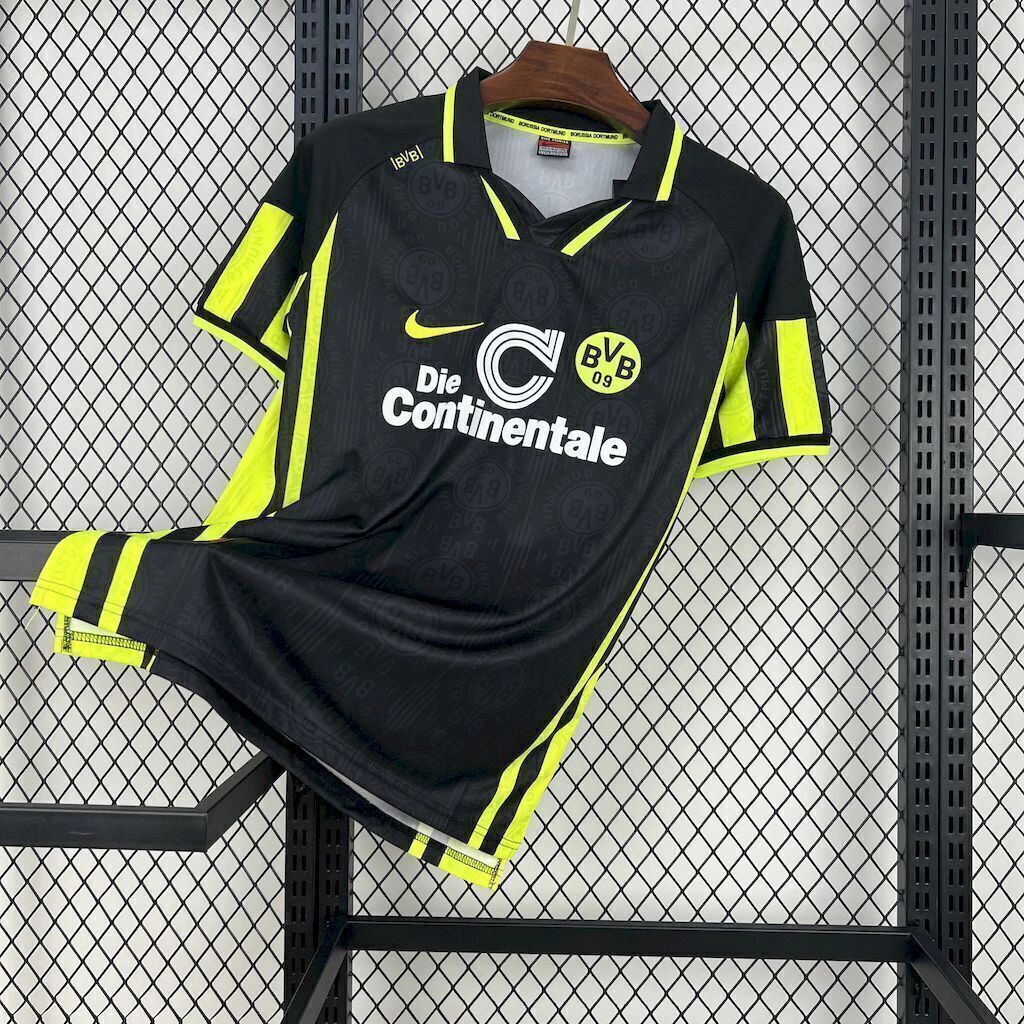
<p>Retro football shirts have a character that modern kits often struggle to reproduce. Older designs can bring back memories of iconic matches, legendary players, classic club identities, and a period when football shirts had a distinctly different look. For collectors and fans, choosing a <strong>camisa de time retro</strong> is therefore about more than finding an old-looking jersey. It is about selecting a piece that has genuine visual appeal, personal meaning, and the right level of quality.</p>
<h2>What Makes a Retro Football Shirt Special?</h2>
<p>A retro football shirt usually draws inspiration from an earlier club or national-team kit. Its appeal may come from the colors, crest, collar design, sponsor style, fabric, or connection to a memorable period in football history.</p>
<p>Some fans look for shirts associated with a particular player or successful team, while others simply prefer classic designs. A simple color combination and traditional collar can sometimes feel more distinctive than the highly detailed patterns found on many contemporary kits.</p>
<p>The era represented by the shirt also matters. Football fashion changed considerably from decade to decade, so details such as oversized fits, embroidered badges, contrasting collars, and old-style typography can help create an authentic period appearance.</p>
<h2>How to Choose a Camisa de Time Retro</h2>
<p>The first thing to consider is the story behind the shirt. Think about why you want it. A jersey connected to a favorite club or a memorable football era is likely to remain meaningful long after the initial purchase.</p>
<p>Fit is another practical consideration. Older football shirts were often cut differently from modern athletic jerseys. Some retro-inspired shirts use a relaxed silhouette, while others are designed with contemporary sizing. Checking the measurements rather than relying only on your usual size can prevent an uncomfortable purchase.</p>
<p>Fabric deserves attention as well. If the shirt is intended for regular wear, look for material that feels comfortable and is suitable for the climate. If it's mainly going into a collection, visual details and construction may matter more than performance features.</p>
<h2>Original Vintage or Retro-Inspired?</h2>
<p>There's an important distinction between an original vintage shirt and a modern reproduction. An authentic older jersey may have historical value, but its condition can vary considerably. Fading, small stains, loose stitching, or worn sponsor details may be part of its character, but they should be understood before buying.</p>
<p>A modern retro reproduction can provide the appearance of an older kit while offering newer materials and construction. For someone who wants to wear the shirt regularly, this can be a practical alternative to an increasingly delicate vintage piece.</p>
<h2>Checking Details Before Buying</h2>
<p>Pay close attention to the crest, lettering, sponsor design, collar, stitching, and overall proportions. These details often reveal whether a shirt has been thoughtfully reproduced or simply given a generic vintage appearance.</p>
<p>Product photographs should also be examined carefully. Look for clear images of the front, back, badge, and fabric. If the listing provides measurements, compare them with a shirt you already own that fits well.</p>
<p>For collectible pieces, provenance and condition can be especially relevant. Keeping receipts, original tags, or other documentation may also help establish what you purchased and when.</p>
<h2>Wearing a Retro Shirt Beyond Match Day</h2>
<p>A retro football shirt doesn't have to stay in a wardrobe reserved for match days. It can work with jeans, neutral trousers, sneakers, or <a href="https://lojadocapita.com.br/camisas-retro/">camisa de time retro</a> a simple jacket for a casual outfit. The shirt itself becomes the main visual feature, so keeping the rest of the outfit understated can make the classic design stand out.</p>
<p>For collectors, another option is displaying selected shirts rather than wearing them frequently. Proper storage away from excessive heat, moisture, and direct sunlight can help preserve fabric and printed details.</p>
<h2>A Shirt With More Than a Logo</h2>
<p>Choosing a <strong>camisa de time retro</strong> is ultimately a balance between history, design, comfort, and authenticity. The most appealing shirt isn't necessarily the oldest or most expensive one. It is the one whose design and story make sense for the person buying it.</p>