<h1><span style="font-size:23pt"><span style="font-family:Arial,sans-serif"><span style="color:#000000"><strong>Polyurethane Molding for Accent Walls and Feature Panels</strong></span></span></span></h1>
<p><span style="font-size:11pt"><span style="font-family:Arial,sans-serif"><span style="color:#000000">Accent walls are an effective way to introduce personality, depth, and visual interest into an interior without making extensive changes to the entire room. Whether used in a living room, bedroom, dining area, or hallway, a thoughtfully designed feature wall can become the focal point of the space. Decorative molding adds structure and elegance to these walls, helping transform ordinary surfaces into attractive architectural details.</span></span></span></p>
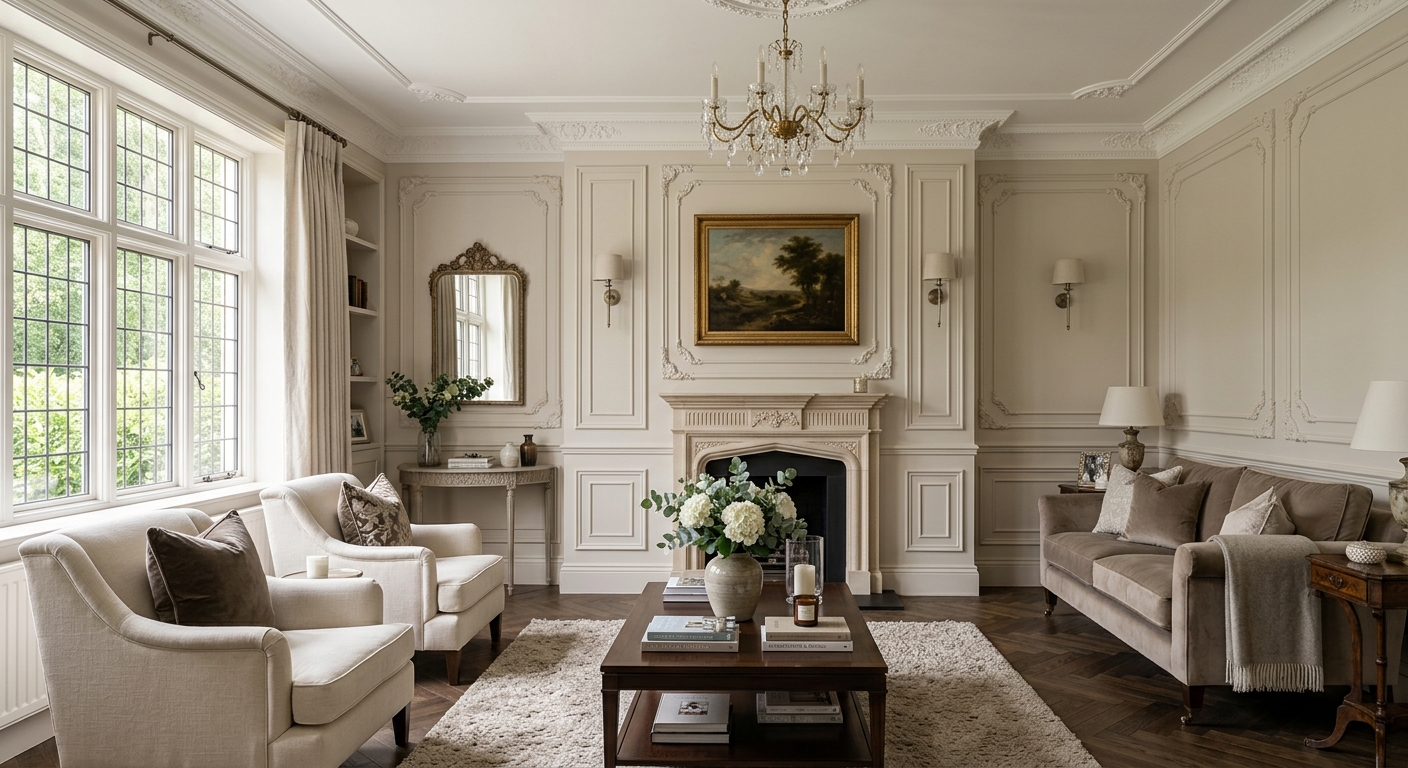
<p><span style="font-size:11pt"><span style="font-family:Arial,sans-serif"><span style="color:#000000">Choosing</span></span></span><a href="https://stavrosdecor.com/products/relief-decoration/moldings/" style="text-decoration:none"><span style="font-size:11pt"><span style="font-family:Arial,sans-serif"><span style="color:#000000"> </span></span></span><span style="font-size:11pt"><span style="font-family:Arial,sans-serif"><span style="color:#1155cc"><u>polyurethane molding</u></span></span></span></a><span style="font-size:11pt"><span style="font-family:Arial,sans-serif"><span style="color:#000000"> offers homeowners and interior designers a versatile solution for creating decorative wall panels and distinctive accent designs. Available in different shapes, widths, and profiles, this material can complement both traditional and contemporary interiors. With careful planning, molding can create anything from elegant rectangular frames to modern geometric patterns that enhance the character of a room.</span></span></span></p>
<h2><span style="font-size:17pt"><span style="font-family:Arial,sans-serif"><span style="color:#000000"><strong>Why Use Molding for Accent Walls?</strong></span></span></span></h2>
<p><span style="font-size:11pt"><span style="font-family:Arial,sans-serif"><span style="color:#000000">An accent wall should attract attention while maintaining harmony with the surrounding interior. Decorative molding achieves this by introducing dimension, texture, and clear visual boundaries. Unlike a simple painted wall, a molded feature wall creates subtle shadows that change with the direction of natural and artificial light.</span></span></span></p>
<p><span style="font-size:11pt"><span style="font-family:Arial,sans-serif"><span style="color:#000000">Molding can also help establish a particular design style. Traditional panel arrangements bring a sense of sophistication to formal living rooms and dining areas, while narrow, minimalist profiles suit contemporary apartments and modern homes. Because the molding can be painted to match the wall, the finished design can remain subtle rather than becoming an overwhelming decorative feature.</span></span></span></p>
<p><span style="font-size:11pt"><span style="font-family:Arial,sans-serif"><span style="color:#000000">Another advantage is flexibility. Homeowners can decorate an entire wall, highlight a section behind a sofa, or create a framed backdrop for a bed or television. This makes molding suitable for rooms of different sizes and layouts.</span></span></span></p>
<h2><span style="font-size:17pt"><span style="font-family:Arial,sans-serif"><span style="color:#000000"><strong>Creating Attractive Feature Panels</strong></span></span></span></h2>
<p><span style="font-size:11pt"><span style="font-family:Arial,sans-serif"><span style="color:#000000">Picture-frame panels are among the most popular designs for decorative accent walls. They consist of rectangular or square frames arranged in a balanced composition. Equal spacing between frames creates a traditional appearance, while larger panels with generous gaps can produce a cleaner, more contemporary effect.</span></span></span></p>
<p><span style="font-size:11pt"><span style="font-family:Arial,sans-serif"><span style="color:#000000">For a living room, consider arranging several rectangular frames behind the main sofa. The layout should relate to the furniture's width rather than covering the wall without a clear plan. In a bedroom, a large central panel behind the headboard can establish a focal point and make the sleeping area feel more defined.</span></span></span></p>
<p><span style="font-size:11pt"><span style="font-family:Arial,sans-serif"><span style="color:#000000">Geometric designs offer another creative option. Squares, narrow vertical rectangles, and asymmetrical arrangements can introduce a modern architectural element. However, limiting the number of shapes and maintaining consistent alignment usually produces a more refined result than combining too many patterns.</span></span></span></p>
<h2><span style="font-size:17pt"><span style="font-family:Arial,sans-serif"><span style="color:#000000"><strong>Selecting the Right Molding Profile</strong></span></span></span></h2>
<p><span style="font-size:11pt"><span style="font-family:Arial,sans-serif"><span style="color:#000000">The molding profile influences the overall appearance of the feature wall. Broad profiles with decorative details often work well in traditional interiors, particularly when paired with classic furniture and elegant finishes. Slim, straight profiles are generally more suitable for minimalist spaces where clean lines are important.</span></span></span></p>
<p><span style="font-size:11pt"><span style="font-family:Arial,sans-serif"><span style="color:#000000">Room dimensions should also guide the selection. Large walls can accommodate wider molding and larger panels, while compact rooms often benefit from narrower profiles and simpler arrangements. The goal is to create visual balance without making the wall appear crowded.</span></span></span></p>
<p><span style="font-size:11pt"><span style="font-family:Arial,sans-serif"><span style="color:#000000">Before installation, measure the wall carefully and mark the proposed panel positions. Painter's tape can help visualize the arrangement and identify potential problems around doors, windows, electrical outlets, and furniture.</span></span></span></p>
<h2><span style="font-size:17pt"><span style="font-family:Arial,sans-serif"><span style="color:#000000"><strong>Color Ideas for a Stylish Accent Wall</strong></span></span></span></h2>
<p><span style="font-size:11pt"><span style="font-family:Arial,sans-serif"><span style="color:#000000">Color can significantly change the effect of decorative molding. Painting the molding in the same shade as the wall creates a coordinated appearance in which shadows provide most of the visual interest. This approach works particularly well in modern interiors.</span></span></span></p>
<p><span style="font-size:11pt"><span style="font-family:Arial,sans-serif"><span style="color:#000000">Contrasting colors make the panel design more noticeable. For example, white molding against a muted green wall can create a fresh, elegant appearance, while dark gray molding on a lighter background introduces stronger definition. Neutral shades such as beige, cream, and soft gray are versatile choices for both classic and contemporary rooms.</span></span></span></p>
<h2><span style="font-size:17pt"><span style="font-family:Arial,sans-serif"><span style="color:#000000"><strong>Installation and Finishing Tips</strong></span></span></span></h2>
<p><span style="font-size:11pt"><span style="font-family:Arial,sans-serif"><span style="color:#000000">A successful feature wall depends on accurate measurements and careful preparation. Ensure the wall surface is clean, dry, and suitable for installation. Cut the molding precisely, follow the manufacturer's recommended adhesive and fastening methods, and fill appropriate joints before painting. Always confirm that the selected finish is compatible with the material.</span></span></span></p>
<h2><span style="font-size:17pt"><span style="font-family:Arial,sans-serif"><span style="color:#000000"><strong>Conclusion</strong></span></span></span></h2>
<p><span style="font-size:11pt"><span style="font-family:Arial,sans-serif"><span style="color:#000000">Polyurethane molding makes it possible to create distinctive accent walls without relying on complicated decorative treatments. By choosing suitable profiles, planning balanced feature panels, and coordinating colors with the surrounding interior, homeowners can add depth and architectural interest to almost any room. A well-designed molding arrangement can turn an ordinary wall into a stylish focal point that complements the home's overall character. </span></span></span><u><a class="in-cell-link" href="https://alexoutlook.com/wall-frame-molding-ideas-for-living-rooms-and-entryways" target="_blank">Wall Frame Molding Ideas for Living Rooms and Entryways</a></u></p>
<p><span style="font-size:11pt"><span style="font-family:Calibri,sans-serif"><span style="color:#000000">#WallMolding #WallTrim</span></span></span></p>