# Embroidery Digitizer: Turning Artwork Into Professional Embroidery
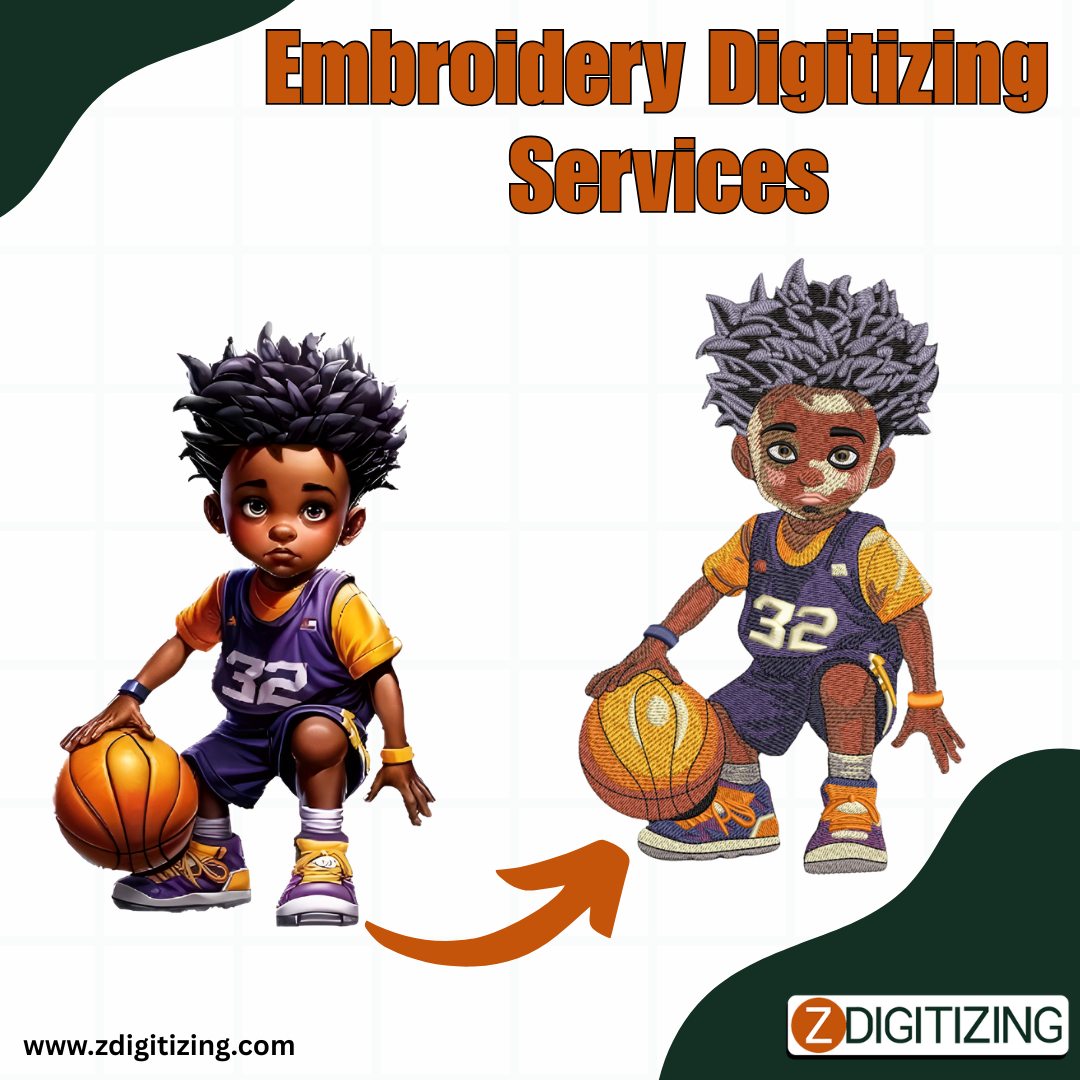
Embroidery digitizing is an essential process that transforms digital artwork into a format that an embroidery machine can read and stitch onto fabric.
An [***embroidery digitizer***](https://zdigitizing.com/) is the professional responsible for making this conversion. Rather than simply copying an image, the digitizer carefully plans how every part of the artwork should be represented through stitches.
A quality embroidery file requires technical knowledge, design awareness, and an understanding of how different fabrics respond to embroidery. Factors such as stitch type, stitch density, thread direction, fabric characteristics, lettering, and machine capabilities all influence the final result.
## What Does an Embroidery Digitizer Do?
An embroidery digitizer converts artwork into a structured embroidery file. During this process, the original design is analyzed and divided into sections that can be created with different stitch techniques.
The digitizer determines where stitches should begin and end, how they should travel across the fabric, and which stitch type is appropriate for each section. This planning helps create accurate embroidery while reducing unnecessary thread changes, jumps, and trims.
Professional digitizing also considers the physical properties of embroidery. Unlike a digital image displayed on a screen, embroidered artwork is created with thread on a specific material. As a result, adjustments are often necessary to achieve a similar visual appearance after stitching.
## Choosing the Right Stitch Types
Different parts of an embroidered design require different stitch structures. Satin stitches are commonly suitable for borders, narrow shapes, and lettering because they can create a smooth surface. Fill stitches are generally used for larger areas, while running stitches can be useful for outlines and fine details.
Selecting the correct stitch type can affect the texture, coverage, durability, and appearance of the finished embroidery. An experienced digitizer considers the size and shape of each design element before assigning stitches.
## Why Stitch Density Matters
Stitch density refers to the amount of thread placed within a particular area. Incorrect density can create several problems. Excessive stitching may make fabric stiff or contribute to puckering, while insufficient coverage can leave unwanted gaps or allow the underlying material to become too visible.
The appropriate density depends on the design, fabric, thread, and intended embroidery application. A design created for denim may require different settings from artwork intended for a lightweight garment. This is why professional digitizing involves more than applying a standard setting to every project.
## Embroidery Digitizing for Different Fabrics
Fabric selection plays an important role in digitizing. Cotton, denim, caps, towels, jackets, and stretchy materials each have different characteristics. Some fabrics provide firm support, while others can stretch or shift during stitching.
A professional embroidery digitizer may consider underlay, pull compensation, stitch density, and other settings according to the material. These adjustments help the embroidery maintain its intended shape and appearance.
## Importance of Professional Lettering
Text can be particularly challenging in embroidery. Small letters may lose important details when converted into stitches, making words difficult to read. Font selection, letter size, spacing, and stitch settings must therefore be considered carefully.
Professional digitizing can involve adjusting lettering to accommodate the physical limitations of embroidery. The objective is to preserve readability while maintaining the intended style of the artwork.
## Why Professional Embroidery Digitizing Matters
Professional embroidery digitizing helps convert artwork into a practical file that can be reproduced consistently. Businesses, organizations, clothing producers, sports groups, and individual creators can use digitized designs for garments, uniforms, accessories, promotional products, and decorative projects.
The quality of the final embroidery depends not only on the original artwork but also on how effectively that artwork has been prepared for stitching. A well prepared file can reduce production issues and help achieve more consistent results across multiple items.
## Conclusion
An embroidery digitizer plays an important role in converting creative artwork into practical embroidery. The process involves much more than tracing an image. It requires careful decisions about stitches, density, direction, sequencing, lettering, fabric, and testing.
When these elements are handled correctly, digital artwork can be transformed into clean, durable, and consistent embroidery. Understanding the digitizing process also makes it easier to prepare artwork and choose appropriate settings for different embroidery applications.
## Frequently Asked Questions
### What is an embroidery digitizer?
An embroidery digitizer is a professional who converts artwork into a digital embroidery file. They determine stitch types, density, direction, sequencing, and other technical details required for machine embroidery.
### Why is embroidery digitizing necessary?
Embroidery machines cannot generally stitch ordinary image files directly. Digitizing converts artwork into instructions that tell the machine how and where to place stitches.
### Can any image be converted into embroidery?
Most artwork can be prepared for embroidery, but the final result depends on factors such as image complexity, size, fabric, and available detail. Some designs require simplification or adjustment to work effectively with stitches.
### How can I ensure good embroidery quality?
Using properly prepared artwork, selecting suitable fabric, testing the embroidery file, and working with an experienced embroidery digitizer can help improve the final result. Proper stitch density, sequencing, lettering, and fabric specific settings are also important.